Chinese short dramas are serialized, fast-moving stories designed to deliver a plot turn in a very small amount of time. The broad term is 短剧短劇 (duǎn jù, short drama); the more specific industry term is 微短剧微短劇 (wēi duǎn jù, microdrama). Many popular mobile productions use vertical video, episodes lasting a few minutes, large casts of familiar character types, and a cliffhanger that immediately opens the next episode.
They are not simply ordinary television episodes cut into clips. The pacing, framing, writing, distribution, and payment model are often built around phone viewing from the start.
What does 短剧短劇 mean?
短短 means “short,” and 剧劇 means a drama, play, or dramatic production. In everyday discussion, 短剧短劇 can refer broadly to a short-form drama. 微短剧微短劇 is the more formal label used by regulators and the industry.
As of August 2026, China’s National Radio and Television Administration has proposed a formal definition covering serialized productions with a clear main theme, continuous and complete plots, prominent characters, and episodes shorter than 20 minutes. That language comes from a June 2026 draft management measure, so it should be described as a draft rather than a final rule.
In the phone-first category that international viewers often call “vertical dramas” or “minidramas,” individual episodes are commonly much shorter than that ceiling. One story may unfold across dozens of rapid installments.
How are microdramas different from regular C-dramas?
| Feature | Phone-first microdrama | Conventional series |
|---|---|---|
| episode | often a few minutes | commonly tens of minutes |
| framing | frequently vertical | usually horizontal |
| pace | immediate conflict and frequent reversals | more room for setup and subplots |
| structure | many tiny episodes, each needing a hook | longer acts within a full episode |
| viewing | scrolling feeds, apps, mini-programs, or dedicated sections | television and long-form streaming platforms |
These are tendencies, not a legal checklist. Some microdramas are horizontal or made for television, while conventional productions increasingly borrow short-form pacing.
The industry is also broader than low-budget romance. China’s regulator has promoted a 微短剧+微短劇+ initiative connecting the format with travel, legal education, science, classical works, intangible heritage, and brands. Its 2025 action plan described the form as combining the genes of film and television with the characteristics of short video.
Why does every episode seem to end at the worst moment?
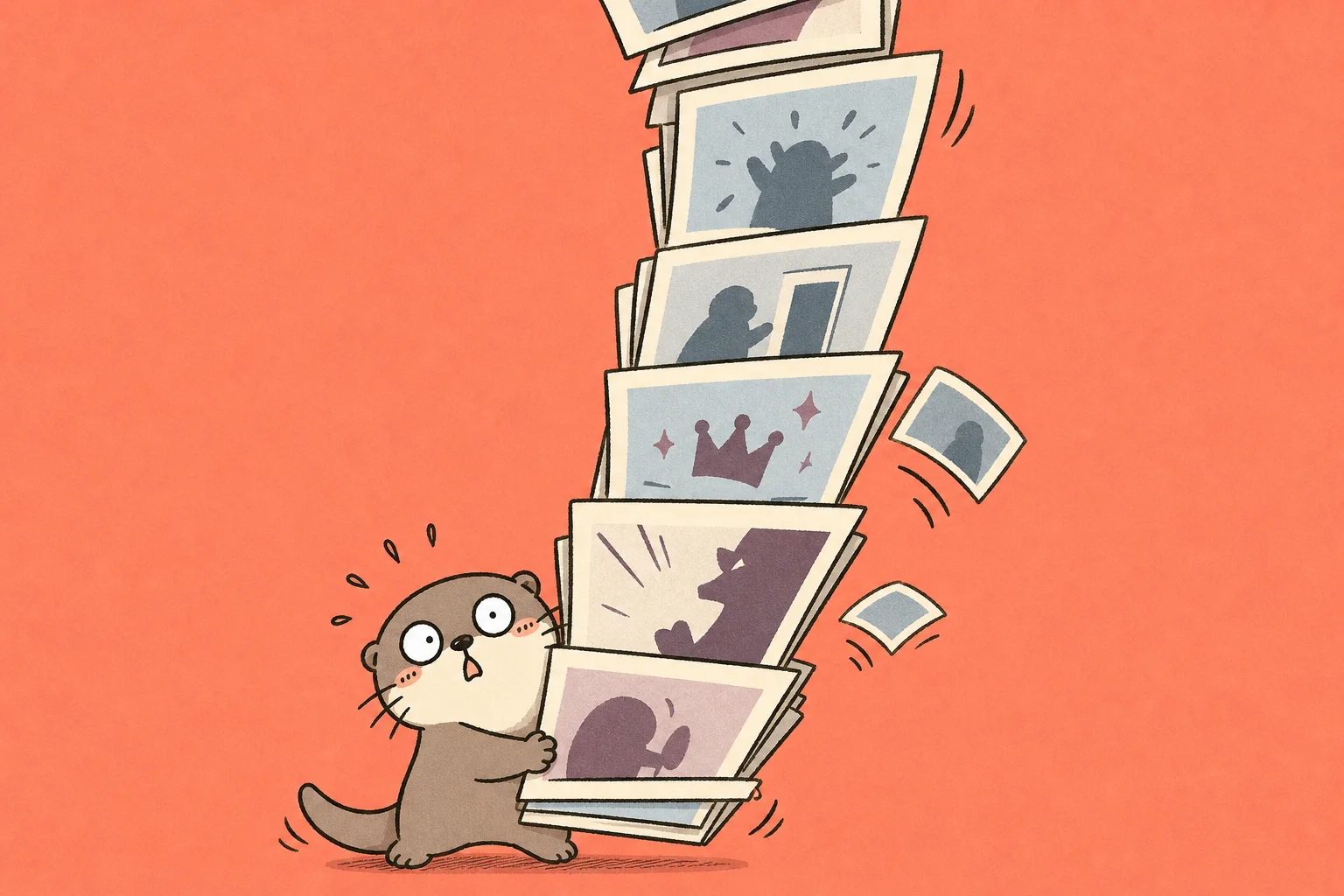
A tiny episode has little time to persuade you to continue. Writers therefore introduce the conflict early, compress exposition, and place a 反转反轉 (fǎnzhuǎn, reversal or twist) or 悬念懸念 (xuánniàn, suspense) near the end.
You may see a reveal paused halfway through, a door opening before the person is shown, or a character beginning one decisive sentence. That ending is a 悬念点懸念點 (xuánniàn diǎn, suspense point)—what English-speaking viewers usually call a cliffhanger.
This density also affects language. Relationships and intentions must become clear quickly, so dialogue may repeat titles, kinship terms, insults, promises, and plot facts more explicitly than subtle everyday conversation would.
What common words appear around Chinese short dramas?
| Chinese | Pinyin | Meaning in this context |
|---|---|---|
| 全集全集 | quán jí | complete series / all episodes |
| 更新更新 | gēngxīn | update; release new episodes |
| 追剧追劇 | zhuī jù | follow or binge a series |
| 大结局大結局 | dà jiéjú | grand finale / final ending |
| 反转反轉 | fǎnzhuǎn | reversal; plot twist |
| 爽剧爽劇 | shuǎng jù | gratifying wish-fulfillment drama |
| 甜宠甜寵 | tián chǒng | sweet, doting romance |
| 重生重生 | chóngshēng | rebirth; returning to redo one’s life |
| 穿越穿越 | chuānyuè | traveling across time or into another world |
| 霸总霸總 | bà zǒng | domineering CEO character type |
These labels help viewers decide what kind of emotional engine a story uses. They do not guarantee quality, and several can apply to the same series. Tomorrow’s calendar article examines the major microdrama tropes in detail.
Where do people watch Chinese microdramas?
They circulate through short-video services, long-form video platforms, mini-programs, broadcaster channels, and dedicated drama apps or sections. Availability changes by region and licensing agreement, so search the title and verify that the uploader or service is authorized rather than relying on a permanent platform list.
The format is now a major viewing category, not a tiny fringe. The China Netcasting Services Association reported that the domestic microdrama audience had passed 696 million by July 2025, while also noting a move toward a wider range of realistic and cultural subjects (2025 midyear review). Audience and market figures depend on the report’s definitions, so they are best read as evidence of scale rather than a precise count of unique daily viewers.
Are all Chinese short dramas vertical?
No. Vertical framing is strongly associated with phone-first microdramas, but 微短剧微短劇 is a production and narrative category, not a synonym for portrait orientation. Some are horizontal, some appear on television, and some are designed for several screens.
The latest draft definition explicitly covers delivery through websites, apps, distribution platforms, television channels, internet television, IPTV, cable television, public screens, wearables, and in-vehicle devices. Orientation is not part of that proposed definition.
Are microdramas useful for learning Chinese?
They can be, especially for intermediate learners who need repetition and strong context. The same relationship words and plot verbs recur, scenes are short enough to replay, and visual stakes make it easier to infer who wants what.
Use a three-pass method:
- Watch one episode without pausing and identify the conflict.
- Replay it with Chinese captions and check only the words blocking the plot.
- Save one complete line that is reusable outside this exact fantasy.
Good candidates include 你到底想说什么?你到底想說什麼? (Nǐ dàodǐ xiǎng shuō shénme?, What are you actually trying to say?) or 我早就知道了我早就知道了 (Wǒ zǎo jiù zhīdào le, I knew a long time ago). Treat highly theatrical threats, status titles, and romance declarations as recognition vocabulary until you understand their tone.
For broader listening strategy, see why spoken Chinese can be harder than reading and why tones change in real speech.
How can you avoid turning every episode into homework?
Do not transcribe the entire series. Follow the story first, then choose one useful line or recurring word per viewing session. If a cliffhanger pulls you into the next episode, let it. Sustained attention to understandable Chinese is valuable; analysis should support that attention, not replace it.