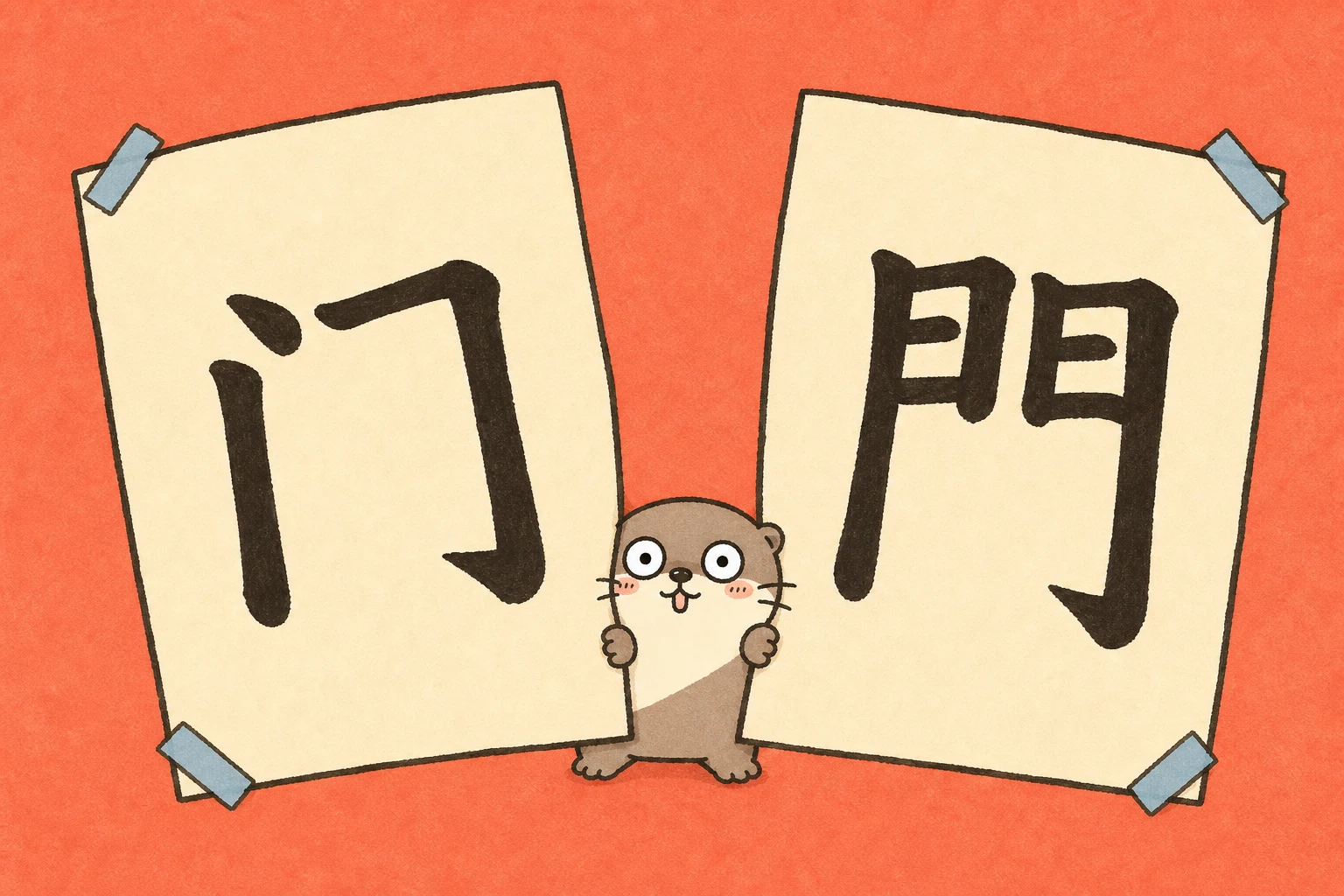
不不 is normally fourth tone: bù. It changes to rising second tone, bú, when the next syllable is also fourth tone:
不是不是 — bú shì — is not
不要不要 — bú yào — do not want
Before first, second, or third tone, it stays bù: 不吃不吃 (bù chī), 不行不行 (bù xíng), 不懂不懂 (bù dǒng). The character and meaning do not change; only its spoken pitch adjusts.
The bù to bú rule
| Next syllable | Pronounce 不 as | Example |
|---|---|---|
| Tone 1 | bù | 不说不說 bù shuō — not say |
| Tone 2 | bù | 不来不來 bù lái — not come |
| Tone 3 | bù | 不好不好 bù hǎo — not good |
| Tone 4 | bú | 不对不對 bú duì — incorrect |
This is a regular tone-sandhi rule of Standard Mandarin. A Peking University study describes the same rule formally as bù → bú before a fourth-tone syllable (Gao & Wu, 2022).
Common words where you will hear bú
The rule appears constantly because many useful verbs and adjectives begin with fourth tone:
- 不是不是 — bú shì — is not
- 不会不會 — bú huì — cannot; will not
- 不要不要 — bú yào — do not want; don’t
- 不去不去 — bú qù — not go
- 不看不看 — bú kàn — not watch
- 不怕不怕 — bú pà — not afraid
- 不错不錯 — búcuò — not bad; pretty good
- 不一定不一定 — bù yídìng — not necessarily
The final example shows why you follow the next syllable only. In 不一定不一定, 一一 is pronounced yí before fourth-tone 定定. The syllable immediately after 不不 is therefore rising, so 不不 remains bù.
Why does the tone change?
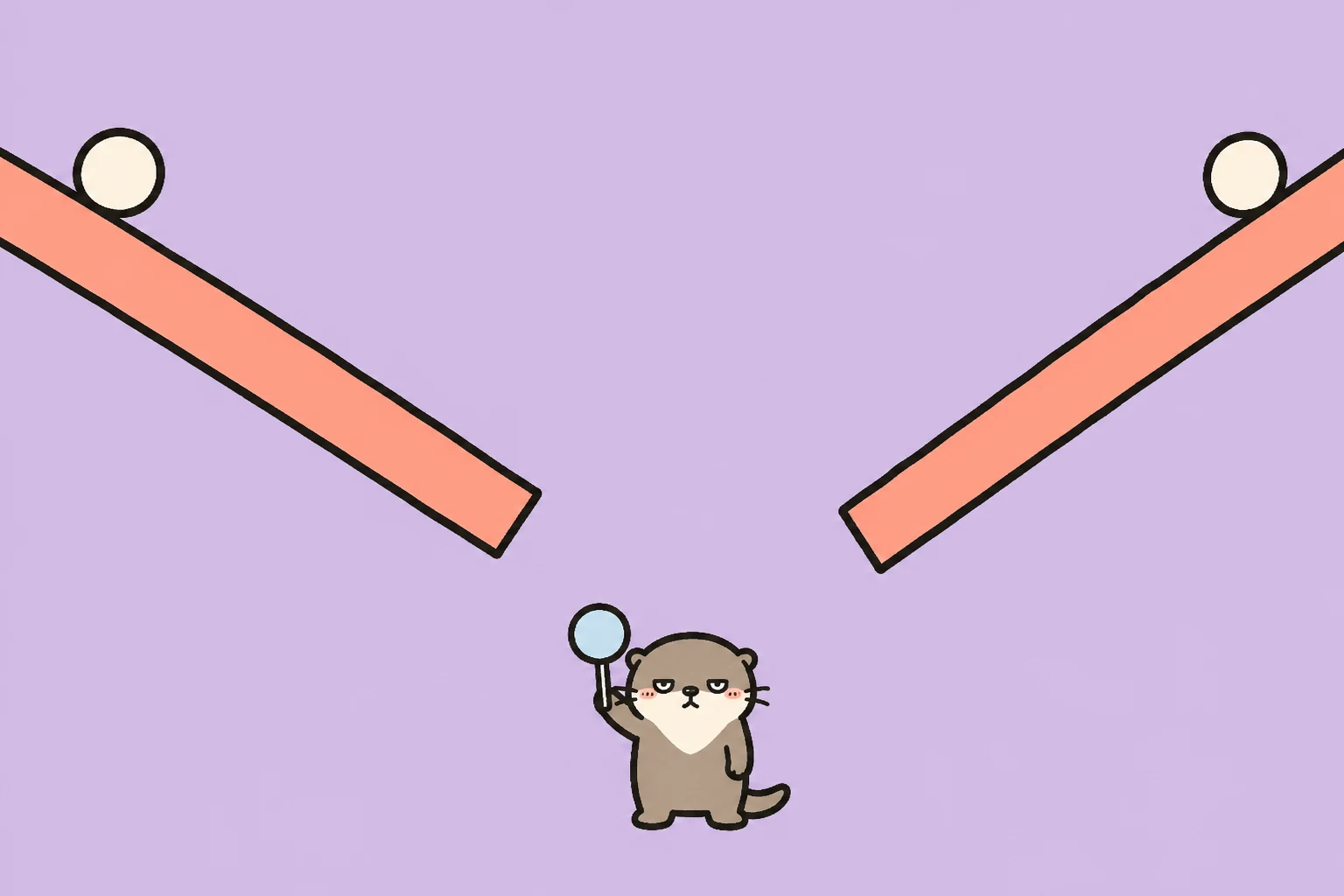
Two full fourth tones create two steep falls in succession. Changing the first to a rise produces a smoother rise–fall sequence while keeping the contrast clear. This is not optional slurring or a sign that somebody is speaking carelessly. Native speakers apply the pattern in ordinary connected Mandarin.
The change belongs specifically to 不不. It does not mean every fourth-tone word automatically becomes second tone before another fourth tone. In other sequences, the first fall may become less complete in fast speech, but that is phonetic adjustment rather than this lexical sandhi rule.
Does pinyin write bù or bú?
Dictionaries list 不不 as bù, its underlying tone. Teaching materials may write bú shì to show the actual pronunciation, or retain bù shì and teach the rule separately.
When reading new material, do not assume the printed tone mark will always display sandhi. If the next syllable is fourth tone, pronounce the phrase with bú even when the page writes bù.
The neutral 不 in A-not-A questions
In compact affirmative–negative questions, 不不 is often unstressed and can become neutral:
- 好不好?好不好? — hǎo bu hǎo? — Is it good? / Okay?
- 去不去?去不去? — qù bu qù? — Are you going?
- 看不看?看不看? — kàn bu kàn? — Are you watching?
- 是不是?是不是? — shì bu shì? — Is it? / Right?
The middle syllable is short and light. In careful speech or some regional styles, you may hear more of its full tone. The important listening cue is that it is normally not stressed like a standalone correction.
Do not confuse this with complements such as 看不懂看不懂 (kàn bu dǒng, cannot understand by watching/reading), where 不不 is also commonly light and neutral as part of a potential complement.
What if there is a pause after 不?
Sandhi needs a following syllable inside the same spoken group. If a speaker pauses after 不不 for emphasis or correction, it can keep a clear fourth tone:
不!我要去。不!我要去。
Bù! Wǒ yào qù.
No! I want to go.
Likewise, a hesitant 不……不一定不……不一定 may be phrased differently from fluent 不一定不一定. Tone rules operate over speech groups, not punctuation printed on a page.
How to practise without overthinking
Build two short columns:
Keep bù: bù chī, bù lái, bù hǎo, bù yídìng.
Change to bú: bú shì, bú huì, bú yào, bú duì.
Then mix them in sentences:
我不是不想去。我不是不想去。
Wǒ bú shì bù xiǎng qù.
It’s not that I don’t want to go.
The first 不不 becomes bú before fourth-tone 是是. The second stays bù before third-tone 想想. One sentence gives your ear both patterns.
You can compare this with why 一 changes among three tones and the broader explanation of tone shapes in real speech.