霸总霸總 (bà zǒng) is short for 霸道总裁霸道總裁 (bàdào zǒngcái), the “domineering CEO” archetype common in Chinese romance fiction and short dramas. He is usually rich, powerful, decisive, emotionally distant, and used to getting his way. The term can identify the trope, joke that someone is acting like it, or criticize a character whose supposed romance looks more like control.
The most natural English translation depends on tone: “domineering CEO,” “overbearing boss,” “tycoon romantic lead,” or simply “CEO trope.” “Bossy CEO” catches the joke but can sound more childish than the Chinese.
How is 霸总霸總 formed?
The abbreviation takes one character from each half of 霸道总裁霸道總裁:
- 霸霸 (bà) comes from 霸道霸道 (bàdào): domineering, overbearing, or high-handed.
- 总總 (zǒng) comes from 总裁總裁 (zǒngcái): president or top executive of a company.
Together, 霸总霸總 names a character type rather than a real corporate job title. A company might genuinely have a 总裁總裁, but nobody’s official position is “霸总.”
这部短剧的男主是典型霸总。這部短劇的男主是典型霸總。Zhè bù duǎn jù de nánzhǔ shì diǎnxíng bà zǒng.
The male lead in this short drama is a classic domineering-CEO type.
What makes a character a 霸总霸總?
No official checklist exists, but the recognizable package often includes:
- extreme wealth or unusually high status;
- a cold, commanding public manner;
- the ability to solve problems instantly with money or influence;
- possessiveness presented as romantic intensity;
- a private vulnerability shown only to the romantic lead;
- an outsized entrance, reveal, or rescue designed for a quick payoff.
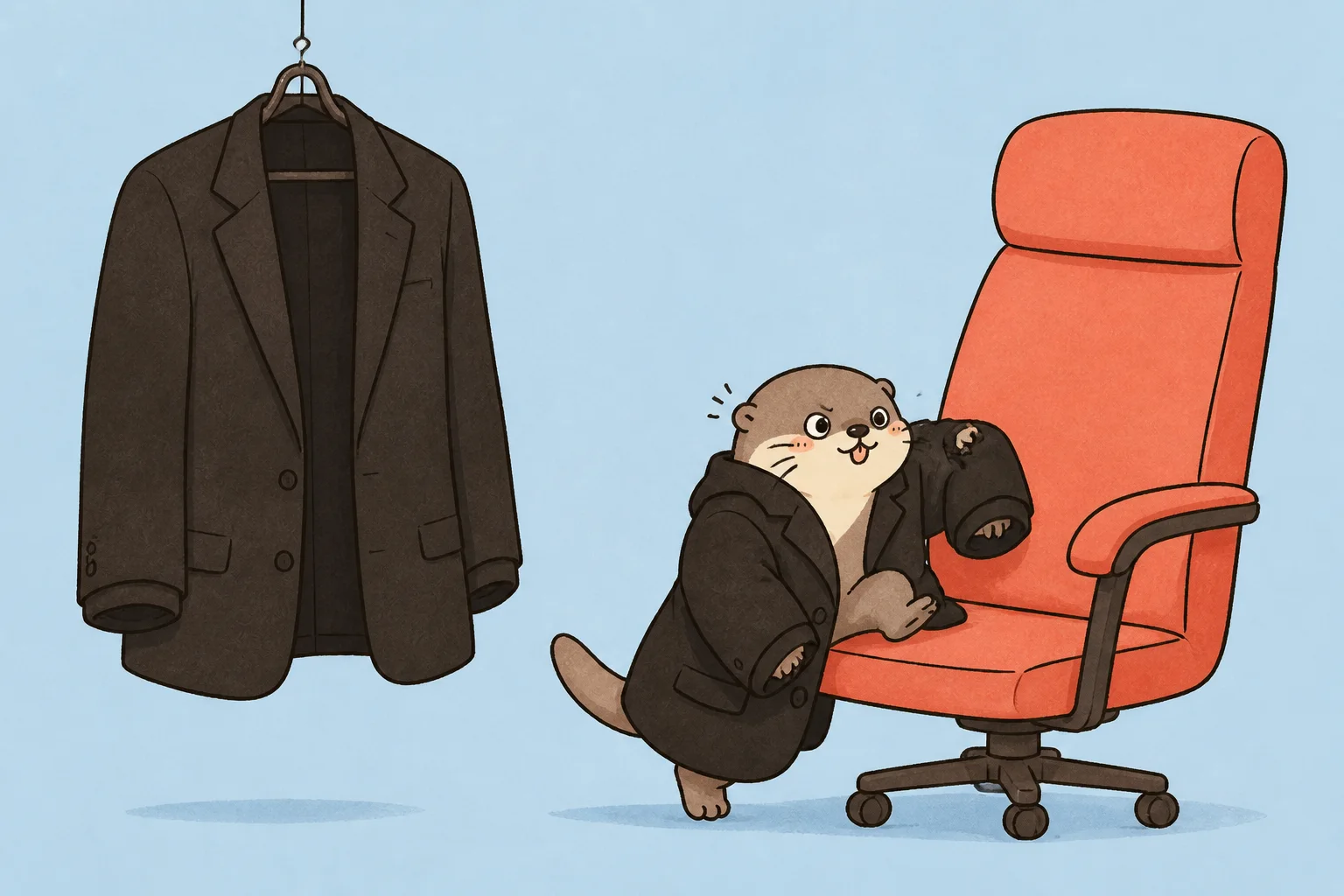
The vertical microdrama version compresses these signals. There may be no time for a gradual portrait of corporate competence, so the chair, suit, assistant, luxury setting, and everyone else’s nervous reaction establish power immediately. Research on vertical 霸总霸總 dramas describes how the older romance formula is reconstructed by platform pacing, production models, and changing gender expectations (Zhang, 2024).
Is 霸总霸總 always male?
The classic phrase usually points to a male romantic lead, and 霸道总裁霸道總裁 fiction historically centers that figure. But online labels are flexible. You may see 女霸总女霸總 (nǚ bà zǒng) for a female version, or a character of any gender described as having 霸总气质霸總氣質 (bà zǒng qìzhì), “domineering-CEO energy.”
Those extensions can be admiring or ironic. They focus on the performance of command—short instructions, controlled expression, decisive movement—not the person’s actual job.
How is 霸总霸總 used outside a plot summary?
People can use the label playfully when someone acts unusually commanding or performs an exaggerated romantic gesture:
他说话怎么突然这么霸总?他說話怎麼突然這麼霸總?Tā shuōhuà zěnme tūrán zhème bà zǒng?
Why did he suddenly start talking like a domineering CEO?
这个动作很有霸总感。這個動作很有霸總感。Zhège dòngzuò hěn yǒu bà zǒng gǎn.
That move has strong CEO-trope energy.
This does not necessarily accuse the person of being seriously domineering. The speaker may be teasing the dramatic delivery. In a critical context, however, 霸总行为霸總行為 (bà zǒng xíngwéi) can point to controlling conduct.
Is 霸总霸總 a compliment or an insult?
It can be either, or neither. Context supplies the judgment.
| Context | Likely tone |
|---|---|
| a fan tags a favorite romance | affectionate genre shorthand |
| a friend imitates a commanding line | playful teasing |
| a review calls the plot “another 霸总 story” | criticism of repetition |
| someone calls real controlling conduct “霸总 behavior” | negative criticism |
Do not translate the word as “handsome” or “successful.” Those qualities may be part of a particular character, but they are not built into the abbreviation. The core is domineering power plus the executive archetype.
What is the difference between 霸总霸總, 总裁總裁, and 董事长董事長?
- 霸总霸總 is a fictional or playful archetype label.
- 总裁總裁 (zǒngcái) is an executive title, often translated as president or CEO depending on the company.
- 董事长董事長 (dǒngshìzhǎng) is chair of the board.
- 老板老闆 (lǎobǎn) is the broad everyday word for boss or business owner.
A subtitle may translate several of these as “CEO” or “boss,” but the Chinese words are not interchangeable. In fiction, the character can be a 董事长董事長 and still fit the 霸总霸總 archetype.
What related character labels appear with 霸总霸總?
You may see extra tags that refine the character’s surface personality:
- 冰山冰山 (bīngshān, iceberg): extremely cold or unreadable;
- 腹黑腹黑 (fùhēi, literally “black-bellied”): outwardly controlled but calculating;
- 高冷高冷 (gāolěng): aloof, cool, and difficult to approach;
- 宠妻寵妻 (chǒng qī): dotes on his wife;
- 豪门豪門 (háomén): belongs to a wealthy and powerful family.
These are storytelling tags, not neutral personality diagnoses. A character can be an 冰山霸总冰山霸總 in one synopsis and a 宠妻霸总寵妻霸總 in another, depending on which promise the title wants to emphasize.
Does 霸总霸總 describe healthy romance?
Not automatically. Fiction often converts surveillance, possessiveness, unequal power, or unilateral decisions into proof of devotion. Viewers can enjoy the fantasy while still recognizing that the same conduct may be coercive or unsafe in real life.
Chinese industry commentary increasingly makes a similar distinction between quick emotional gratification and durable storytelling. A 2025 Xinhua report republished by the China Netcasting Services Association used the 霸总霸總 rescue fantasy as an example of “gratification first” formulas while highlighting microdramas with more grounded characters and social concerns (CNSA/Xinhua, 2025). That is criticism of repetitive or harmful handling, not evidence that every executive romance has disappeared.
Is the 霸总霸總 trope banned in China?
It is safer to say the trope has faced tighter guidance and criticism, not that the word or every such story is under a simple blanket ban. Regulators and industry bodies have pushed platforms away from bizarre plots, vulgarity, conspicuous wealth worship, and formulaic domineering characters. Enforcement and approval concern how a production handles its content, not merely whether a synopsis contains the abbreviation.
That nuance matters because online claims often compress “management guidance against a harmful formula” into “the trope is banned.” Meanwhile, industry reviews still discuss new 霸总霸總 productions and the ways the archetype is changing.
How can learners recognize 霸总霸總 dialogue without copying it?
Listen for short commands, status vocabulary, and absolute promises, but sort them into two groups:
- Reusable language: 交给我吧交給我吧 (Jiāo gěi wǒ ba, Leave it to me), 我来处理我來處理 (Wǒ lái chǔlǐ, I’ll handle it).
- Theatrical language: threats, ownership claims, and impossible money-or-power boasts that belong to the fantasy.
The contrast itself is useful listening practice. Notice what makes a line sound calm and competent versus controlling and melodramatic. For the wider set of labels around these stories, read the guide to Chinese microdrama tropes.